

My battle with perfectionism has been a lot more grueling than usual, and it all started when I entered new seasons in my career and relationships at the start of this year.
It was a time when a lot of my old patterns and toxic defense mechanisms began to resurface, but it was also when I found myself peel new layers to my identity and learn more about myself.
But just like any other powerful breakthrough, it took a lot of twists and turns, bruises and tears, shedding and unlearning for me to even get to this point. It was self-awareness and self-compassion that carried me through that season and gave me the courage to even bring it to light and write about it now.
Changes and transitions can fiercely test the way we handle uncertainty, but it’s especially challenging for perfectionists like me. Because we’re so afraid to make mistakes, we laboriously try to take control of our situations but usually in ways that are unhealthy and destructive to ourselves and our relationships.
It’s no denying that I absolutely detest and don’t grapple well with uncertainty. As I entered something completely new and foreign, I became extremely anxious and struggled to find my footing. I couldn’t understand where all the tension and discomfort was coming from. It’s like my vision was so clouded and my mind was always elsewhere, never in the present.
I later realized that at core of it—I was simply afraid. It was the fear of messing up and losing what I had that made me take control of every little aspect of my situation. I tried so hard to uphold and stick to the standards I set for myself, but was already getting suffocated by the weight of that responsibility. It was like forcing myself to lift a heavy barbell just waiting to fall and crush me.
Everything had to go according to my expectations and plans. If things were to even just slightly move out of bounds from the flawlessly straight lines I permanently painted, I would go feral. And feral I went.
Things took a dramatic turn when I somehow lost control, slipped, and made weighty choices that I swore I’d never make. I saw myself crumble and get sucked into a downward spiral when things were no longer going my way.
I fell back into my polarized thinking that things are only ever perfectly good or perfectly bad, and that mindset made me incredibly depressed and became detrimental to my day to day.
I’m the kind of perfectionist who also gets way too hard on myself for allowing my circumstances to take a different turn, and I end up seeing myself in such a negative light. I then start to despise myself as I wallow in shame and disappointment.
When you fall into that kind of void, you try to get yourself out by forcing things to “go right” or do things that don’t even feel natural to you. I coerced myself out of that situation by pretending, distracting, and escaping, but that only made things worse. The most heartbreaking thing is—I was also beginning to lose myself more and more each day.
Everything was so overwhelming that I inevitably reached my breaking point. It’s funny because after trying the most complicated solutions and taking the most cognitive approach to everything, it was the most mundane activity that led me to a breakthrough—a walk.
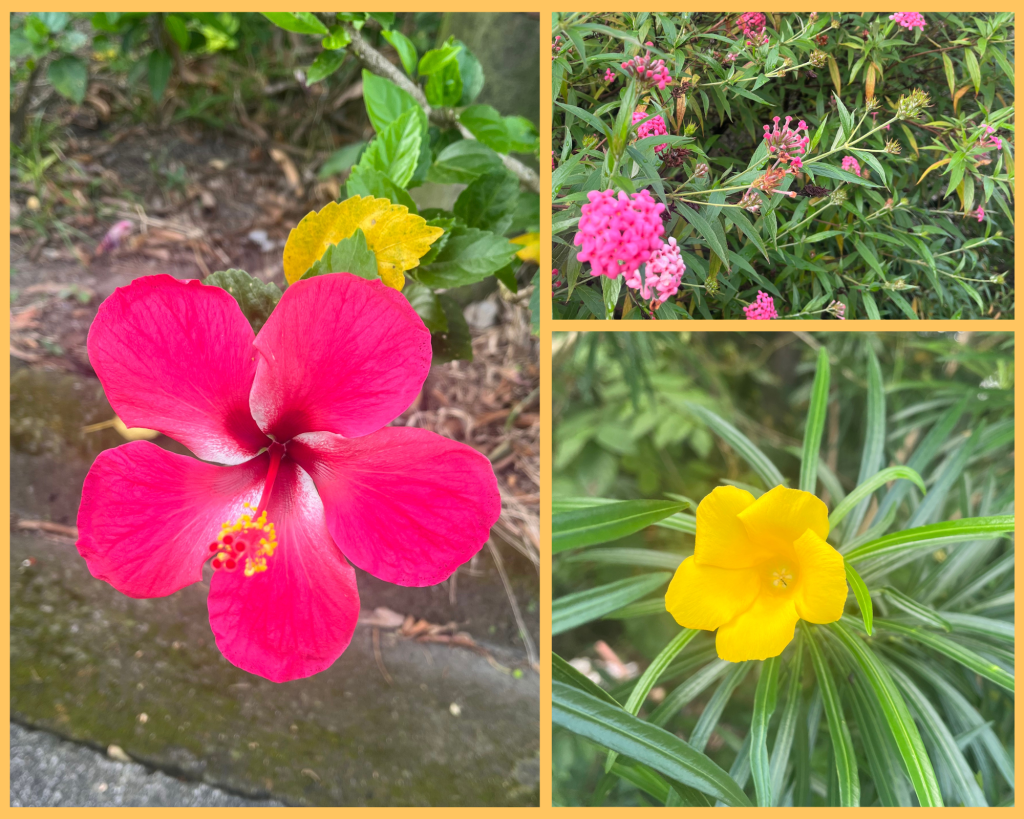
I learned that I simply needed to ground myself back to the present, attune to my senses, and see my situation for what it is—not overthinking, not overcompensating, and not over rationializing. All it needed was a simple walk without any distractions—just me, my thoughts, and my emotions.
As I went on those consistent morning walks, I realized that I was really falling back into my old patterns and toxic behaviors. It seemed like I went back to survival mode after dealing with a threat, which in this case, was change and uncertainty.
It was also in those walks when I reacquainted with my inner child and allowed myself to feel her pain. It seemed like she was the one fighting that battle for perfection this whole time, and all she needed was for me to offer her compassion and grace.
I remembered the time she cried in front of her science teacher after getting singled out for not following instructions on a lab activity. I remembered when she bawled backstage when the ribbons fell off her pointe shoes in the middle of a performance and she had to switch back to ballet flats. I remembered when she took it so hard on herself for being the only one who didn’t make it to the next round in an academic competition.
I remembered all the times she failed and how much disappointment and frustration she must’ve bottled up over the years. I remembered her fears of abandonment and of loss.
All of this also made me realize that my perfectionism is just a fragment of my identity and a product of years and years of coping and survival.
I don’t want it to define my entire self, but still I want to learn to embrace and not shame it.
When it becomes maladaptive, that’s when I know I need to take a step back. I’ve also been robbing myself off of the joy and beauty of the present, of not really knowing what happens next, and of spontaneity—which puts me in a position of ungratefulness.
Despite all of that, I still want to learn to see my perfectionism in a more positive way. I want to give myself more compassion, and learn the art of surrender to God.
Whenever I catch myself in situations that elicit fear and tension from uncertainty and change, I want to learn to pause and give myself grace knowing that it might be my perfectionism in play and that I have the ability to make a better choice.
It’s still an ongoing process for me, and I know I’ll be facing more bumps and hiccups along the way, but I feel a lot more forgiving and empathetic with myself and I already consider that such a big win.
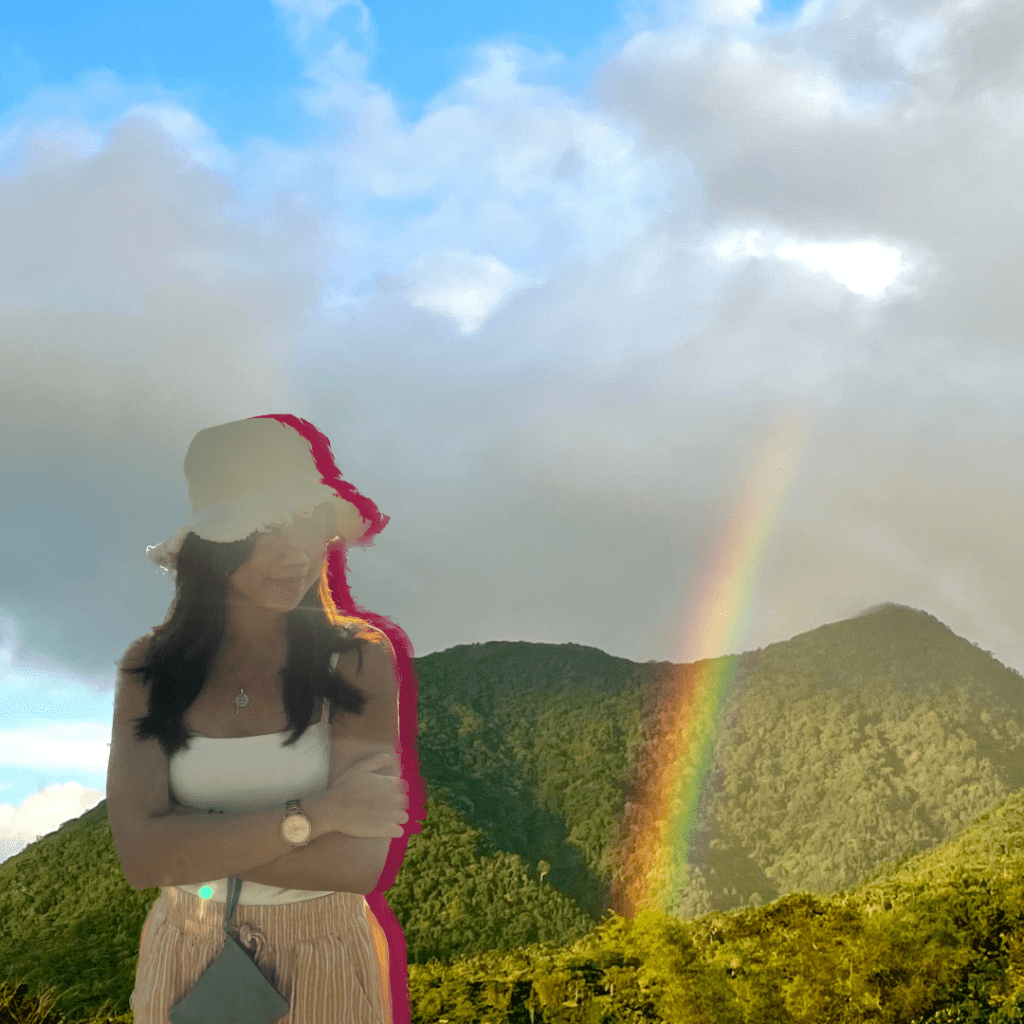
To my fellow perfectionists, maybe it all starts when we become a little kinder to ourselves. I pray that you’ll also learn to embrace this part of you, find balance, and figure out your own unique and healthy way of maneuvering your perfectionism. You got this. ❤
P.S. I always believe that healing starts with awareness. If you’d like to know more about your perfectionism, I found this reference that’s been scientifically reviewed. Hope it helps you too!
 finding felicity
Leave a comment